
Ambulatory Oxygen Therapy
Patients on LTOT and patients who are still active can benefit greatly from the availability of oxygen in the car or at remote locations.
Even housebound patients who are not LTOT users may benefit from occasional use. Ambulatory Oxygen should make any physical activity less stressful for patients allowing and even encouraging them to get out more and partake in normal social activities such as shopping, visiting friends and relatives etc.
Ambulatory oxygen is generally prescribed for patients who show desaturation during activity but show reduced desaturation during similar activity while under therapy.
Benefits of Ambulatory Oxygen
Oxygen Therapy Products We Recommend
Ways to Breathe the Oxygen
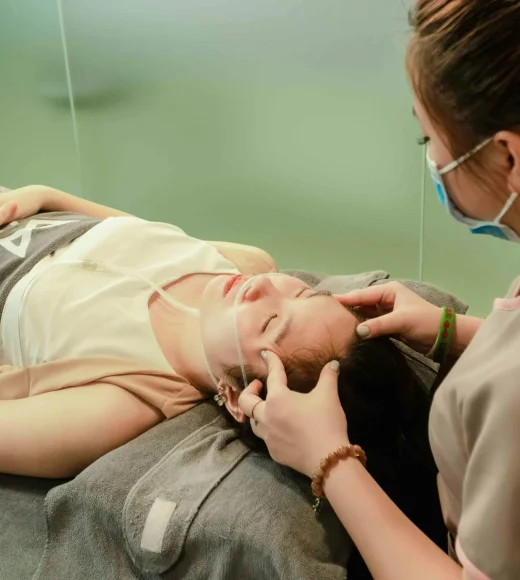
- You will need other equipment to use your oxygen. One item is called a nasal cannula. This plastic tubing wraps over your ears, like eyeglasses, with 2 prongs that fit into your nostrils.
- Wash the plastic tubing once or twice a week with soap and water, and rinse it well.
- Replace your cannula every 2 to 4 weeks.
- If you get a cold or the flu, change the cannula when you’re all better.
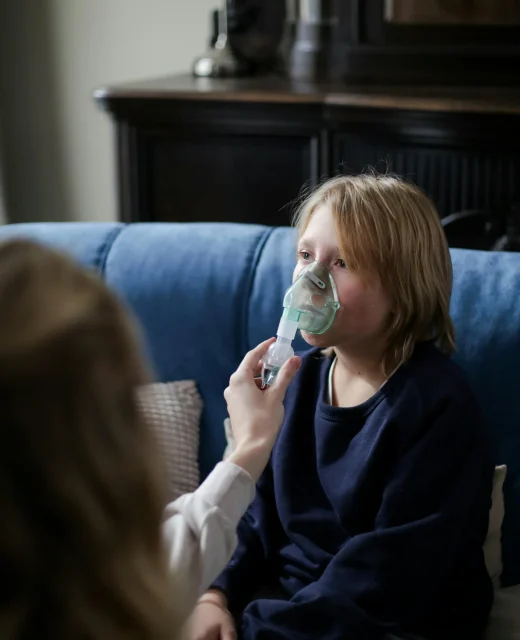
- You may need an oxygen mask. The mask fits over the nose and mouth. It is best for when you need higher amounts of oxygen or when your nose gets too irritated from the nasal cannula.
- Replace your mask every 2 to 4 weeks. If you get a cold or the flu, change the mask when you’re all better.
“Oxidation is the source of life. Its lack causes impaired health or disease, its cessation, death.” Dr. F.M. Eugene Blass, PH.D


Let Others Know You Use Oxygen at Home
Inform your family members, caregivers, neighbours, and close friends that you use oxygen therapy at home. In the event of a power outage, emergency, or medical situation, they can assist you in ensuring your oxygen supply remains available and help you access support if needed.
Keep important contact numbers readily available, including your oxygen supplier, healthcare provider, emergency medical services, and your local municipality or electricity provider.
If your oxygen equipment relies on electricity, discuss backup power options with your supplier and have a plan in place for extended power interruptions. Being prepared can help ensure your oxygen therapy continues safely and effectively during unexpected situations.
When to Call the Doctor
Oxygen Comfort
Using oxygen may make your lips, mouth, or nose dry. Keep them moist with aloe vera or a water-based lubricant, such as K-Y Jelly. DO NOT use oil-based products, such as petroleum jelly (Vaseline).
Oxygen Flow Safety
DO NOT stop or change your flow of oxygen. Talk with your provider if you think you are not getting the right amount.
Pressure Relief
Ask your oxygen equipment provider about foam cushions to protect your ears from the tubing.
Avoid Heat Sources
Take good care of your teeth and gums. Keep your oxygen far away from open fire (like a gas stove) or any other heating source.
Travel and Oxygen
Most sure oxygen will be available for you during your trip. If you plan to fly with oxygen, tell the airline before your trip that you plan to bring oxygen. Many airlines have special rules about traveling with oxygen.
If you have any of the following symptoms, check your oxygen equipment first.
- Make sure the connections between the tubes and your oxygen supply are not leaking.
- Make sure the oxygen is flowing.
If your oxygen equipment is working well, call your provider if:
- You are getting a lot of headaches
- You feel more nervous than usual
- Your lips or fingernails are blue
- You feel drowsy or confused
- Your breathing is slow, shallow, difficult, or irregular
Call your child’s provider if your child is on oxygen and has any of the following:
- Breathing faster than usual
- Flaring nostrils when breathing
- Making a grunting noise
- Chest is pulling in with each breath
- Losing appetite
- A dusky, gray, or bluish color around the lips, gums, or eyes
- Is irritable
- Trouble sleeping
- Seems short of breath
- Very limp or weak
